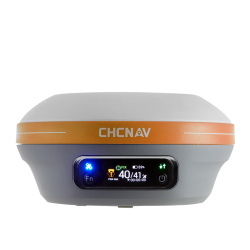
DGPS stands for Differential Global Positioning System. It is a system that improves the accuracy of GPS by using a network of fixed ground-based reference stations. These stations compare their known locations with the GPS signals they receive, then calculate and broadcast correction signals to GPS receivers. This process helps reduce the errors caused by factors like ionospheric interference, satellite positioning errors, and other inaccuracies.
Base Station (Reference Station)
The base station is a fixed, known location that receives GPS signals. It calculates the difference between the received GPS signal and its known position. The base station then computes correction data to improve the accuracy of GPS signals.
User Receiver (Mobile Receiver)
This is the device used by users to receive both GPS signals and differential corrections broadcast from the base station. The receiver then applies the corrections to calculate its corrected position.
Correction Transmission Systems
Many DGPS systems use a radio signal to transmit correction data from the base station to the user receiver.
Software
Used by the base station to calculate the difference between the actual position and the GPS-derived position. This software generates real-time correction data that is transmitted to user receivers.
Let’s Talk About How Can Help You Securely Advance